
Choosing curtains sounds simple, but many people end up with designs that don’t fit, fabrics that fade or installations that look off. The right curtains improve comfort, style and light control. Poor choices will end with the waste of money and make a room look unfinished. This guide explains how to avoid the most common mistakes when choosing curtains and how to make better decisions for your home.
Understand This Basic Before Choosing Curtains
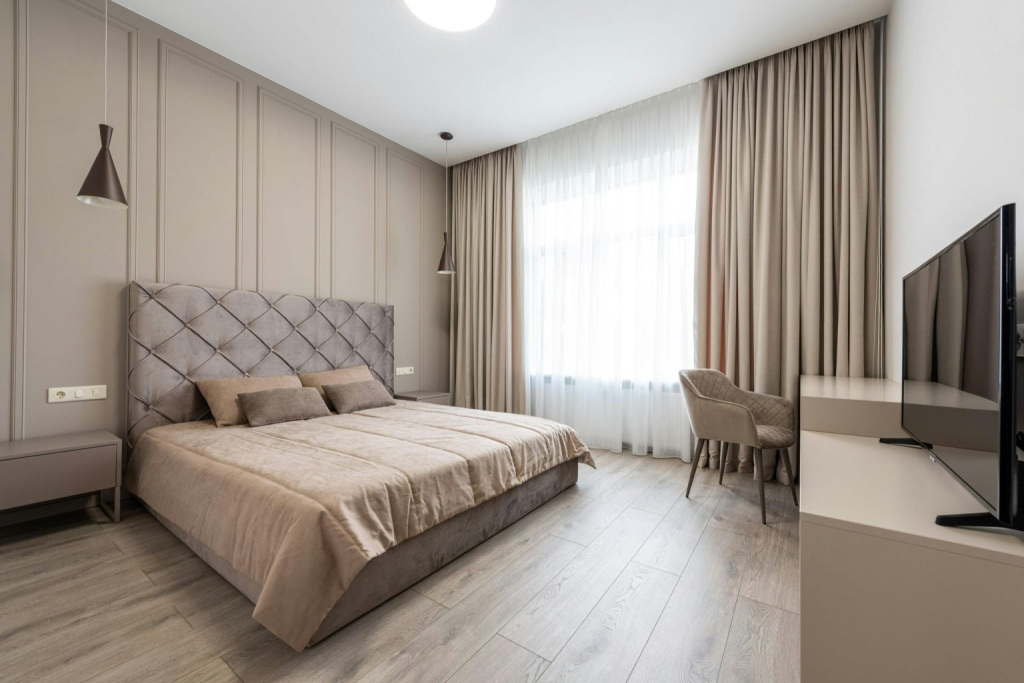
Before buying curtains, know the purpose of the room. A living room curtain serves a different function than a bedroom one. Living rooms often need curtains that allow light in during the day while maintaining privacy. Bedrooms need thicker fabrics that block light and reduce noise, while kitchens need materials that handle moisture and heat.
Also, think about sunlight, window size, and ceiling height. These factors affect both the look and performance of your curtains. Make sure to always measure twice and decide how much coverage and fullness you want before shopping.
How to Choose the Right Fabric When Choosing Curtains
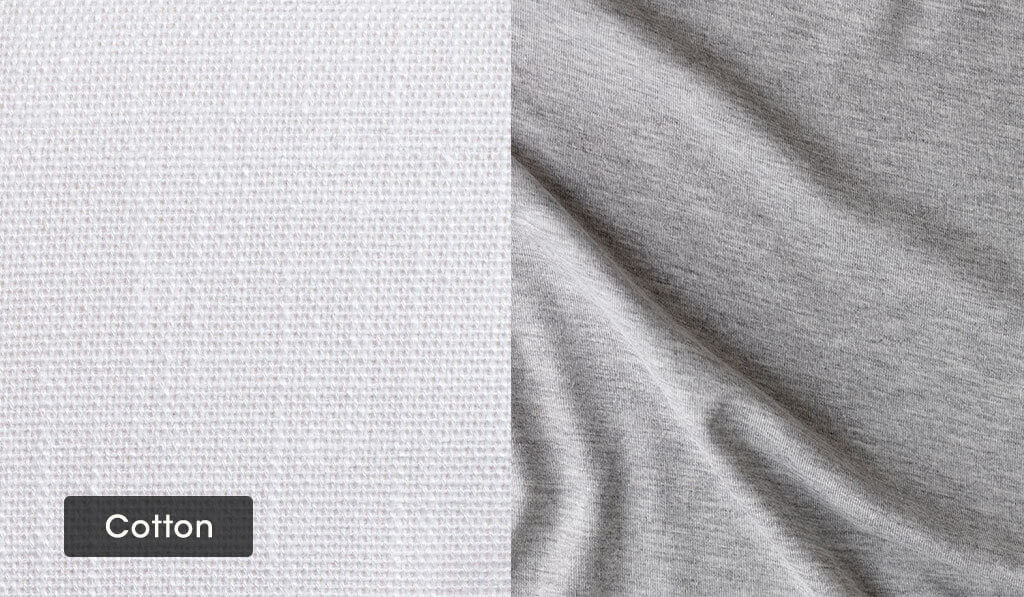
Image Credit : What’s The Best Fabric For Your Curtains?
Fabric is the backbone of your curtain’s appearance and function. Lightweight fabrics like linen or voile create an airy atmosphere but don’t block much light. Heavy fabrics like velvet or thick cotton provide insulation and privacy but can make a small room feel heavy. Choose the material based on how much natural light you want to let in and how much privacy you need.
In humid climates such as Singapore, blended fabrics or synthetic options perform better than pure linen. They resist mold and fading. Always check the lining. A good lining improves insulation, blocks UV rays and helps the fabric fall neatly.
Common Fabric and Color Mistakes to Avoid
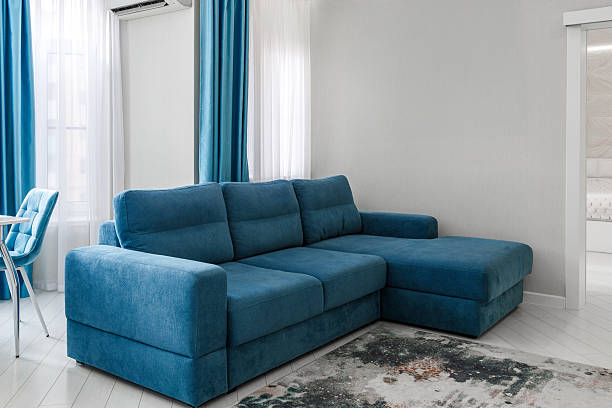
A common mistake when choosing curtains is picking multiple colors that clash with the rest of the furniture. Use one main color that complements your wall and furniture tones to make sure the curtain will fit in. Steven from Moon Interiors advises using a single color to keep the design clean because mixed colors often make a space look chaotic.
Another mistake is ignoring how light changes color perception. Always check your fabric sample in both natural and artificial light for instance for small rooms, use lighter shades to make the space feel open. In high-traffic areas, darker tones hide dirt and wear better.
Curtain Design and Style Tips That Work

The curtain style defines the character of your room. A double-bead design or single-box pleat style helps block light effectively and gives a premium look. Avoid eyelet designs if you want full blackout results because they tend to let more light through the gaps.
Layering day and night curtains improves flexibility. Sheer curtains provide brightness and privacy during the day, while thicker night curtains block light at night. This combination also adds depth and luxury to your interior design.
Correct Curtain Length and Position

Curtain length plays a major role in how polished your room looks. Curtains should end about 1.5 centimeters above the floor for a clean and neat appearance. Curtains that are too short look awkward, while those pooling on the floor collect dust and make maintenance harder.
Mount the curtain rod higher than the window frame, ideally 10 to 15 centimeters above it. This placement makes the ceiling appear taller and the window larger or you can also extend the rod 10 to 15 centimeters beyond each side of the window to make the curtain fully cover the frame when closed.
Measurement and Fullness: The Foundation of Good Curtains
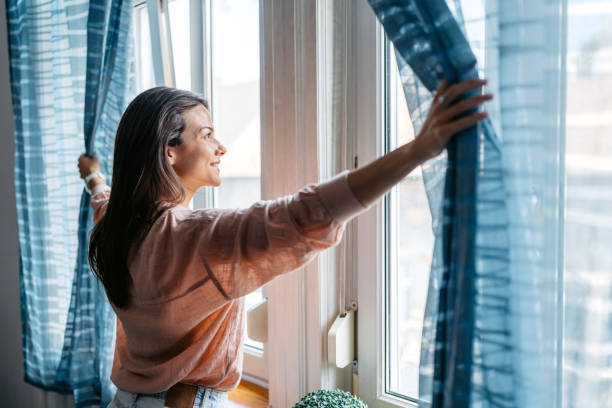
Incorrect measurements lead to poorly fitted curtains. Measure both the height and width of the window and add extra length for the mounting height. For fullness, each panel should be at least 1.5 to 2.5 times the width of your window. This is to ensures the curtain looks full when drawn and not flat or stretched.
When in doubt, go for a slightly wider panel because it is easier to adjust extra fabric than to fix curtains that are too narrow. Always double-check measurements before placing your order, especially for custom-made curtains.
Installation and Hardware Mistakes to Avoid
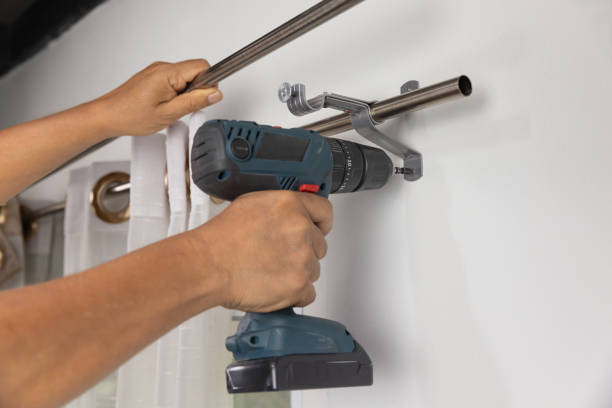
Even high-quality curtains will look bad with poor installation. Use strong rods and brackets that match the curtain’s weight. Cheap hardware bends under pressure and ruins alignment. Choose curtain rods that complement your overall décor.
Avoid hanging the rod too close to the window frame. Doing so makes the ceiling look lower and the room smaller. Positioning it higher adds a sense of space and make sure your hooks, rings and finials match in color and material for a cohesive finish.
What to Consider When Choosing Curtains

When choosing curtains, focus on three elements which are function, proportion and maintenance. Curtains should balance light control and privacy while matching the room’s style. Make sure they fit the window size and room height. Pick fabrics that are easy to clean and maintain over time.
If your room gets direct sunlight, look for UV-resistant materials. For rooms prone to moisture, choose mildew-resistant fabrics. Always consider how the curtains will look from both inside and outside the window.
Rule of Thumb When Buying Curtains
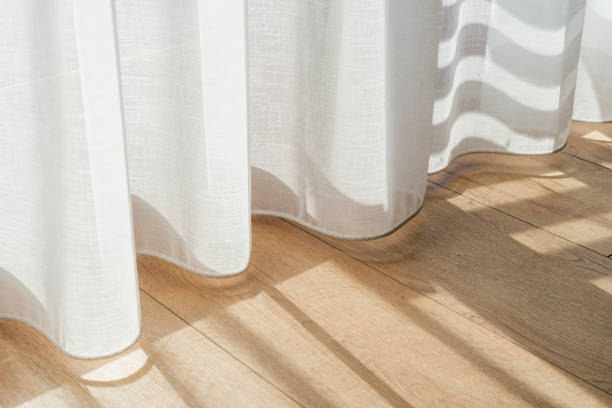
Follow these basic rules to get professional results:
- Curtain width should be two times the window width.
- Rod placement should be halfway or higher between the window frame and ceiling.
- Curtain length should almost touch the floor, not stop short.
- Choose a single main color that fits your room’s palette.
These simple guidelines prevent most visual and functional mistakes.
How to Select Curtains for Different Rooms
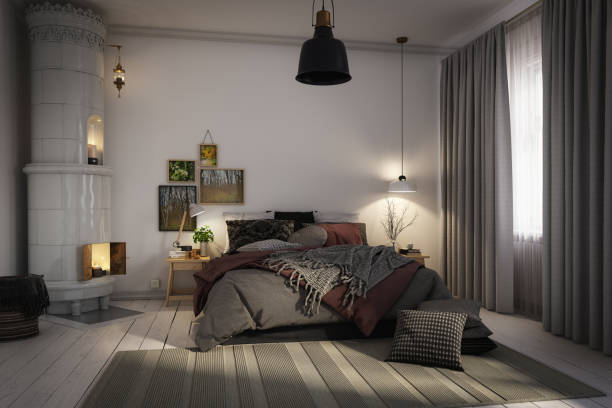
Bedrooms need blackout or heavy fabric curtains to ensure privacy and good sleep. Living rooms look best with layered curtains combining sheers and thicker drapes. Kitchens benefit from light, washable materials like polyester blends. Bathrooms require moisture-resistant fabrics such as acrylic.
Each room’s lighting and function determine the right curtain choice. Always match fabric type and design with how you use the space daily.
How to Check the Quality of Curtains
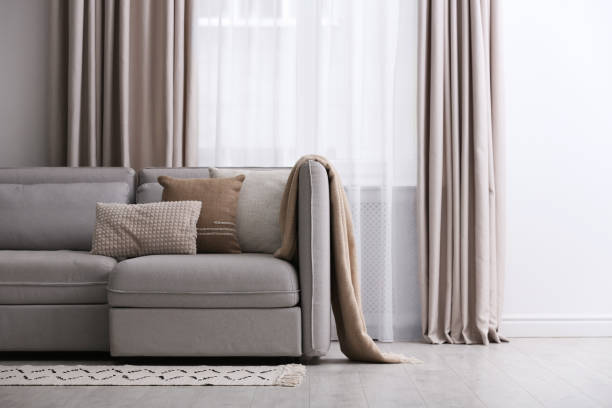
Good curtains start with good construction. Check the stitching for even seams and reinforced hems. Hold the fabric against the light to see the weave density. High-quality curtains feel substantial and drape smoothly.
Inspect the lining to ensure it covers the fabric evenly. Test the hooks, rings and rods to confirm they support the curtain’s weight. If possible, ask for a fabric sample before purchasing because it helps you test color accuracy, texture, and durability.
Final Tips When Choosing Curtains

Curtains affect both comfort and style. Avoid mixing too many colors. Choose structured designs like double-bead or box pleat for better light control. Always pair day and night curtains for function and elegance. Maintain a 1.5-centimeter gap above the floor for a clean, modern look.
Choosing curtains takes attention to detail, but small adjustments make a big difference. With correct measurements, proper hardware and smart fabric selection, you’ll have curtains that enhance your space for years.
Visit The MK Curtain Showroom in Singapore

Explore Premium Curtains (Custom and ready-made), Blinds, Wallpaper, and other window furnishing solutions at The MK Curtain Showroom Gallery Located in Ubi, Singapore
Shop Online our Collections
MK Curtain Singapore Boutique Showroom Gallery
33 Ubi Avenue 3, Vertex, #01-01
Singapore 408868
Book an appointment with our Design Consultants to discuss your bedroom, nursery, media room, or other light-control requirements.
Book an appointment with our Design Consultants to discuss the ideal light-control solutions for your BTO house, bedroom, nursery, media room, or any other space in your home.
[Book a Consultation]
[Visit Our Showroom]
[Contact Us on WhatsApp]
